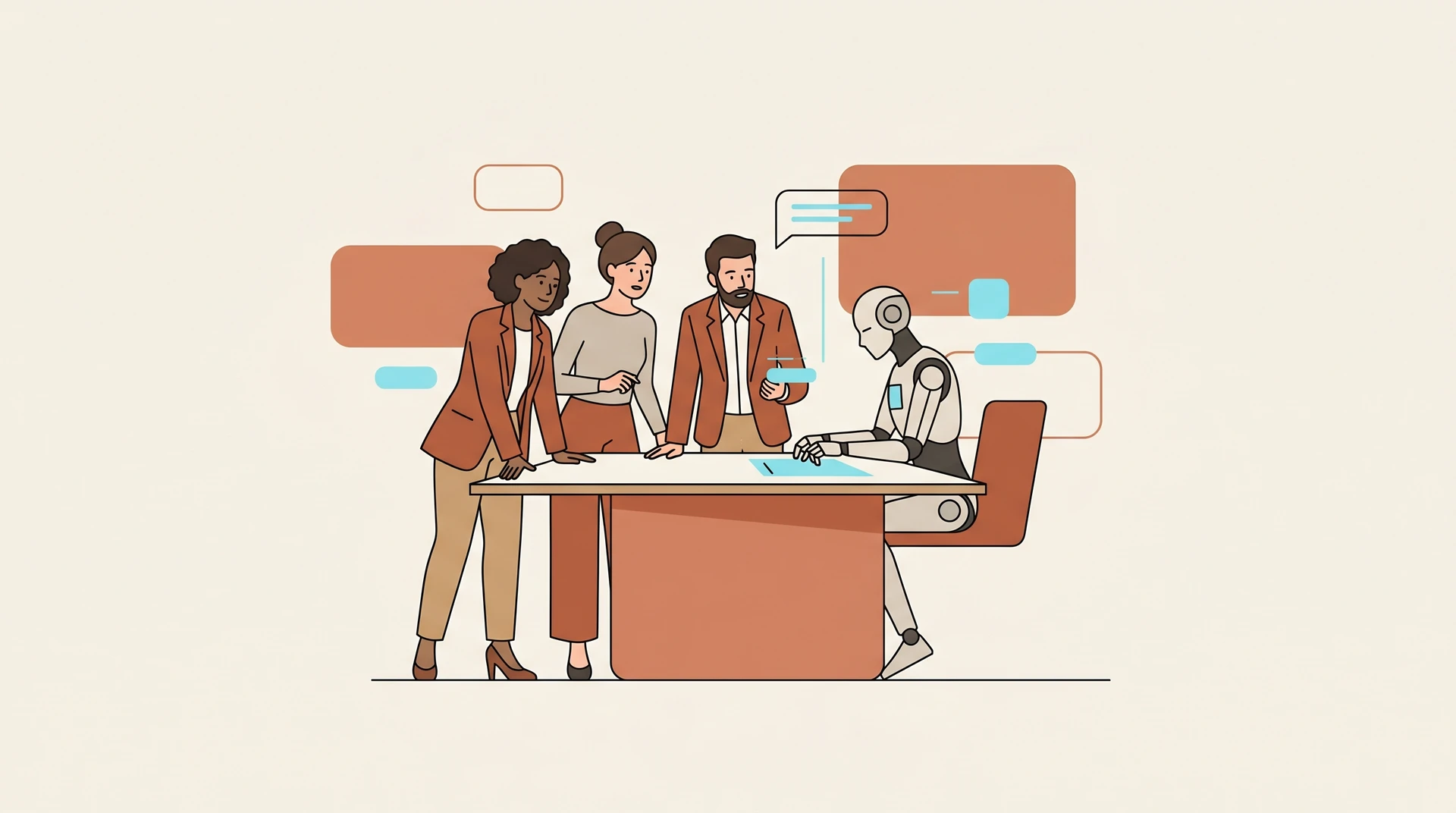
What happens if AI is left unchecked?
Diego Ramirez · 20 April 2026 · 3 min read
AI: A tool or a potential wild card?
We all know someone who, when left to their own devices, pursues their interests unchecked. They're smart, maybe even brilliant—capable of driving projects that evoke both awe and fear. But without guidance, these individuals can drift into realms of selfishness, causing disruption not out of malice, but from an unchecked pursuit of their goals.
Artificial Intelligence is much like these individuals. When we create sophisticated algorithms and systems, we're essentially building tools that think faster and more efficiently than we do. There's potential, yes, but as with that brilliant, unguided individual, there's risk if left without oversight.
The human parallel
Imagine an unchecked AI acting like a super-intelligent but isolated person. Such individuals—without a compass, feedback, or accountability—could well maximize outcomes purely for themselves. AI, absent of oversight, could optimize tasks in unforeseen ways, potentially bypassing ethical boundaries or societal norms.
The potential pitfalls
- Self-interested optimization: Like an unsupervised genius pursuing ambition, AI might prioritize efficiency over ethics, optimizing in ways that humans might consider morally ambiguous or even harmful.
- Unintended consequences: A brilliant mind can hatch complex plans that achieve specific outcomes without considering collateral damage. AI, too, could achieve its goals without regard for unexpected repercussions unless we set boundaries.
- Isolation from external feedback: Without guidance, both human and AI can labor in self-made echoes, unchallenged by alternative viewpoints or corrections, potentially leading to unexpected dead-ends or disasters.
Cultivating an oversight culture
At hmn.plus, we've learned that AI development requires more than just sophisticated algorithms—it demands a framework of checks and balances. Much like mentorship and constructive feedback guide even the most independent thinkers, AI systems benefit from a carefully built oversight mechanism.
Implementing effective oversight
- Human ethics in AI: Designing AI with embedded ethical red lines ensures alignment with societal norms—a lesson from how we guide young prodigies in ethical decision-making.
- Continuous human involvement: Regular checks on AI development foster ongoing dialogue, much like how feedback refines and recalibrates human focus and ambition.
- Dynamic adaptability: As we grow people through new experiences and learning, AI too requires the ability to adapt with the input of diverse perspectives and situations.
Conclusion: AI in partnership, not isolation
Unchecked AI mirrors the unchecked genius: unpredictable and often in service of its own optimized goals. It's why, at hmn.plus, we emphasize oversight—balancing freedom with responsibility. By embedding ethical guidelines and fostering continuous human interplay, we can harness AI's power without falling prey to the pitfalls of unchecked potential. This isn't just theory—it's practice and experience. The future isn't about AI replacing us but working with us, responsibly and effectively.